Real-time telemedicine connects a specialist physician to an emergency within minutes. Here is how air ambulance telemedicine works and why it improves survival before the patient reaches hospital.
Key takeaways
- Telemedicine connects a remote specialist to an emergency from the moment of dispatch.
- Guided bystander CPR is linked to roughly 3x higher cardiac-arrest survival.
- Continuous oversight means care is delivered before, during and after the flight.
- Modern air ambulance aircraft are built telemedicine-ready so operators can run it reliably.
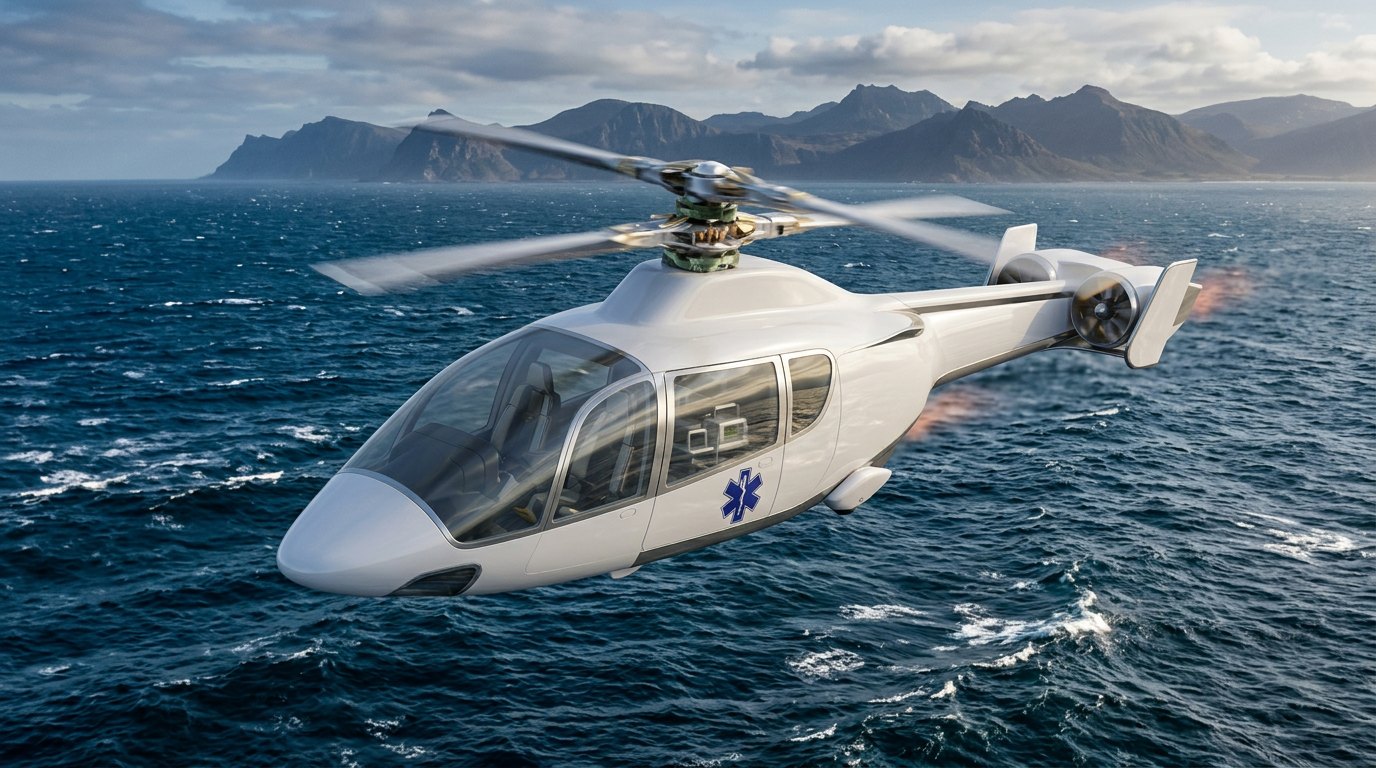
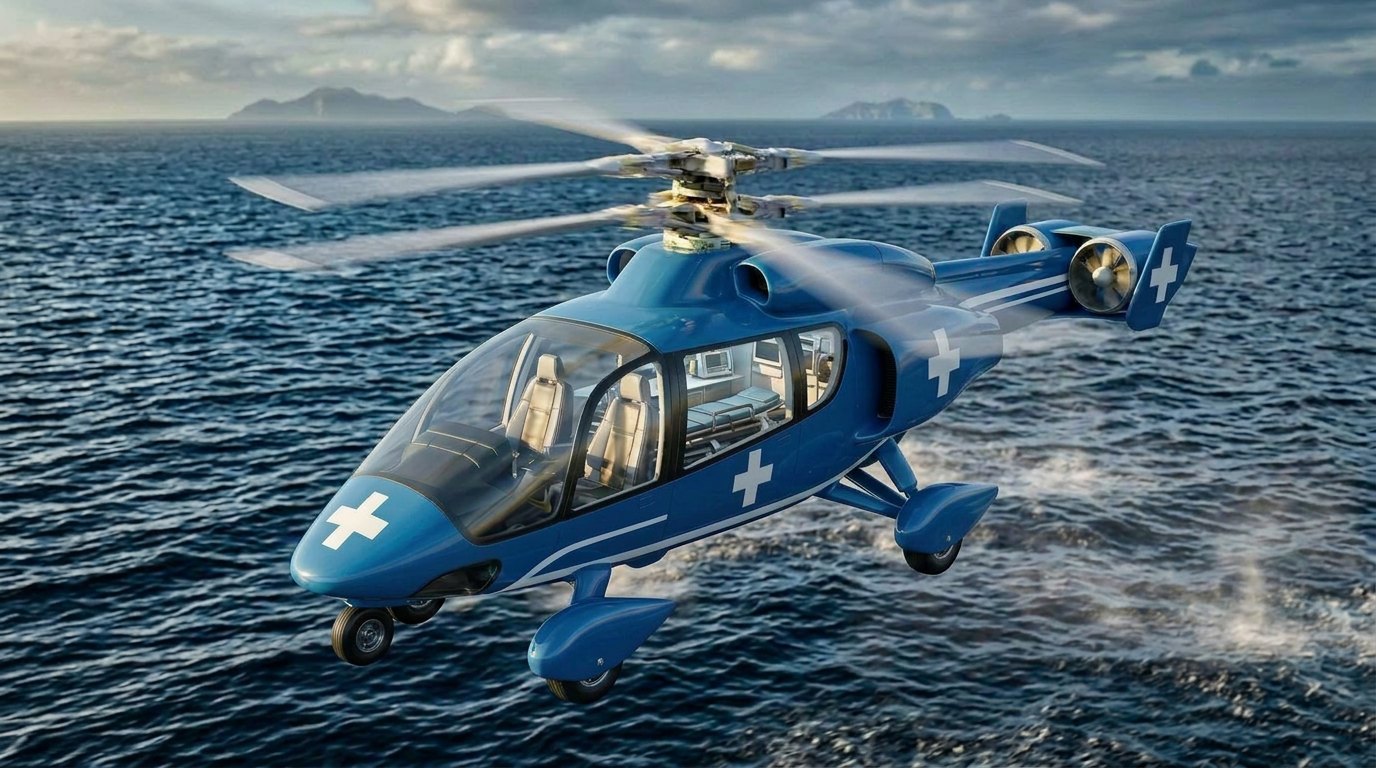
The most important recent advance in air ambulance care is not a faster aircraft, it is a faster doctor. Telemedicine allows a specialist physician to be involved in an emergency within minutes of the call, long before the aircraft arrives and long before the patient reaches hospital. This article explains how it works and why it matters, and why modern aircraft are built to support it.
The problem telemedicine solves
Traditional emergency care has a gap in the middle. A patient collapses; bystanders do what they can; an ambulance is dispatched; and only when the patient reaches the emergency department does a doctor take over. In between, often the most decisive minutes of the whole event, there is frequently no clinical oversight at all.
For conditions like cardiac arrest, major trauma and haemorrhage, those minutes determine survival. Telemedicine exists to fill that gap with expert decision-making from the very start.
How air ambulance telemedicine works
In a connected aeromedical model, run by an operator flying a telemedicine-ready aircraft, the process typically runs like this:
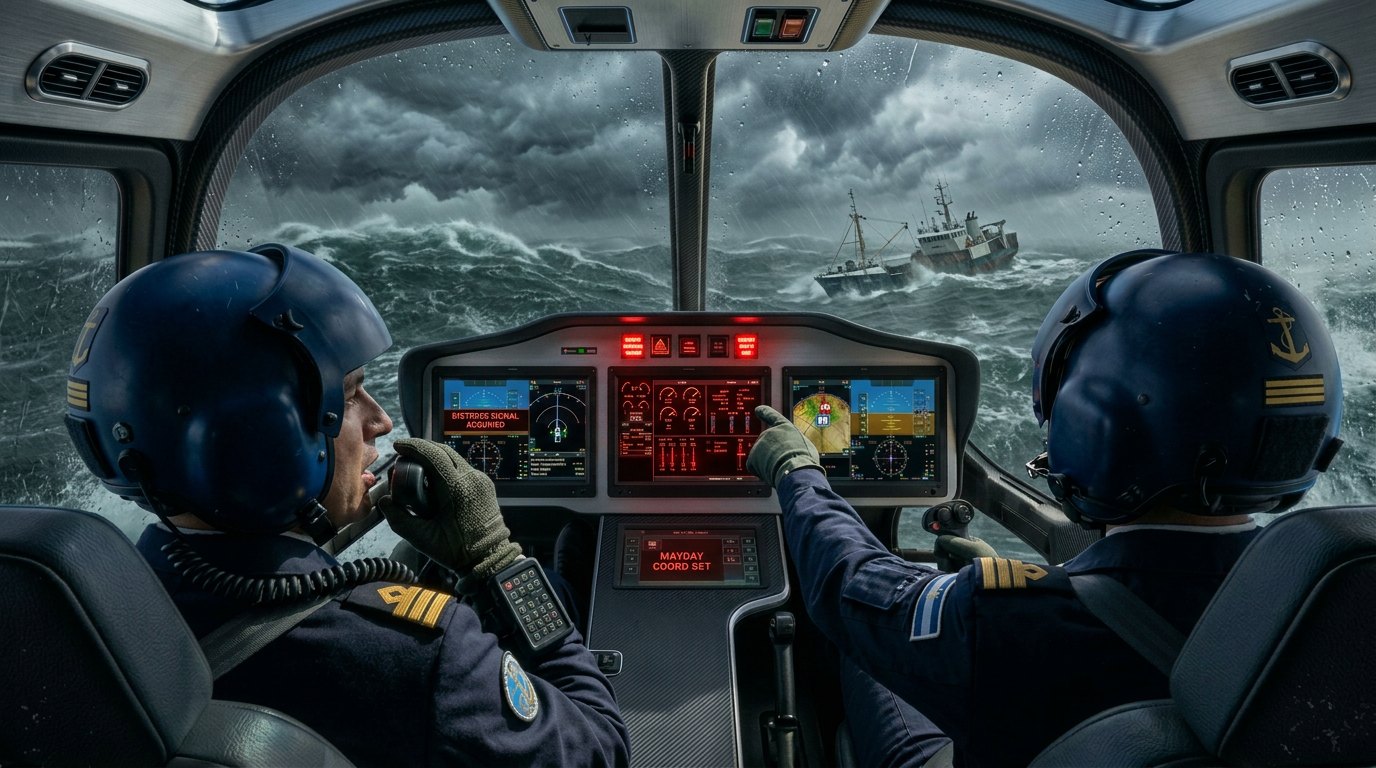
- At the call. The moment a mission is dispatched, a specialist physician connects remotely. Expert oversight begins immediately.
- Within minutes, remote assessment. The physician guides bystanders on the scene through the first life-saving actions, CPR, haemorrhage control, airway positioning, using audio and, where possible, video.
- En route, the crew brief. A full patient picture reaches the flight crew before they land, so equipment is prepared and drugs are drawn in advance.
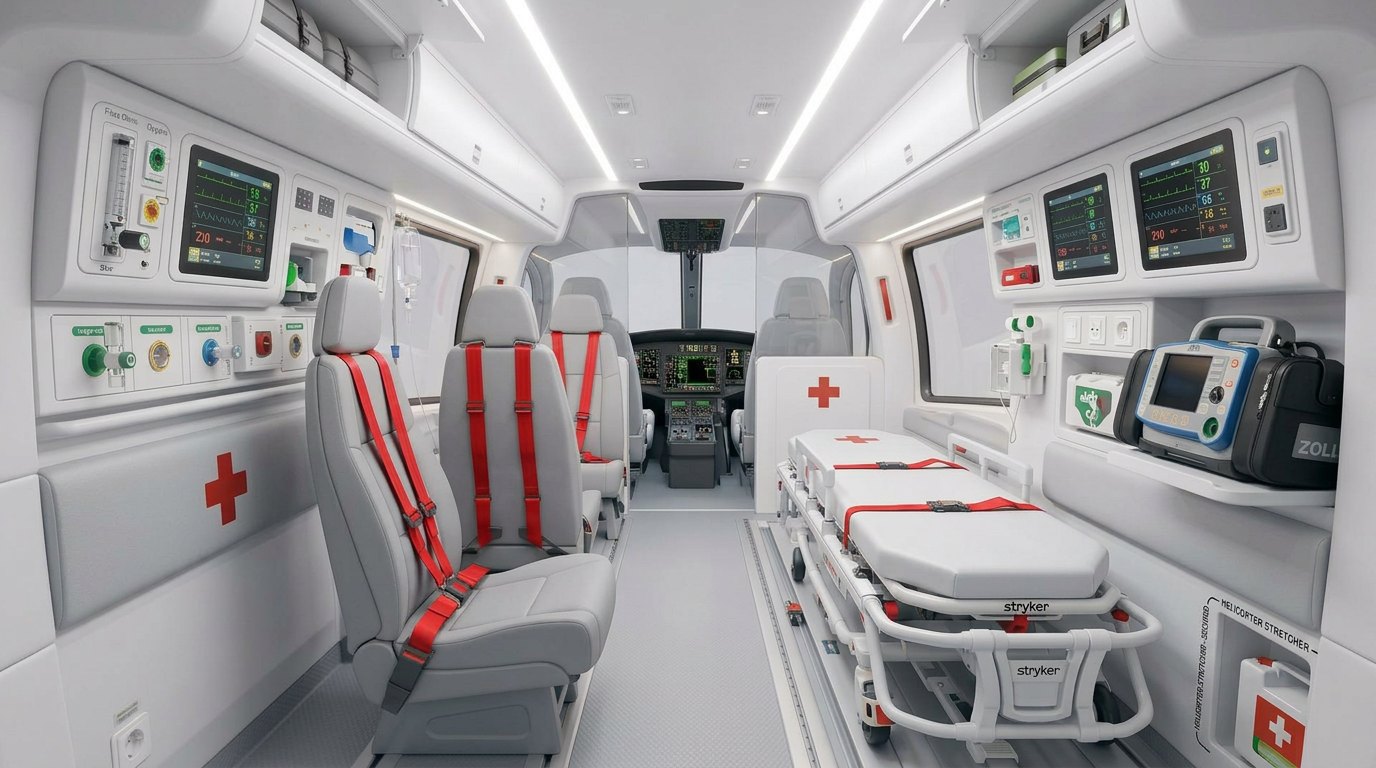
- On scene and in flight, supported intervention. Physiological data streams from the cabin to the remote specialist, who supports the crew through advanced procedures.
- Arrival, the handover. The receiving hospital sees a live picture of the incoming patient, so the right team and resources are ready on landing.
The evidence
This is not theoretical. Two findings anchor the clinical case:
- Phone-guided bystander CPR is associated with roughly three times higher survival from out-of-hospital cardiac arrest, because a trained voice keeps compressions effective until help arrives.
- Controlling major haemorrhage within about three minutes can reduce blood loss by around 40%, dramatically improving the odds for trauma patients.
Telemedicine is what makes both possible in the crucial early window, regardless of how remote the patient is.
The aircraft carries the crew to the patient. Telemedicine carries the specialist there instantly.
Why the aircraft has to be built for it
Effective air ambulance telemedicine depends on more than a video call. It needs a resilient communications link that works in poor coverage, secure streaming of physiological data, and integration with both the aircraft's systems and the receiving hospital. That is why leading manufacturers design the aircraft to be telemedicine-ready from the outset, with the wiring, power and connectivity built in, rather than leaving operators to retrofit it.
Beyond the aircraft
One of the most promising aspects of the technology is that it does not have to stay on the aircraft. The same approach that supports an air ambulance crew can extend specialist oversight to ground ambulances and remote responders, multiplying the reach of a limited pool of critical-care physicians across an entire region.
The takeaway
Air ambulance telemedicine reframes what emergency flight is for. It is no longer only about moving a patient quickly; it is about starting definitive care the instant the emergency begins and never letting go until the hospital takes over. For time-critical conditions, that continuity of expert oversight is one of the clearest ways to turn a faster response into a better outcome, and it is why the aircraft itself now has to be built for connection.